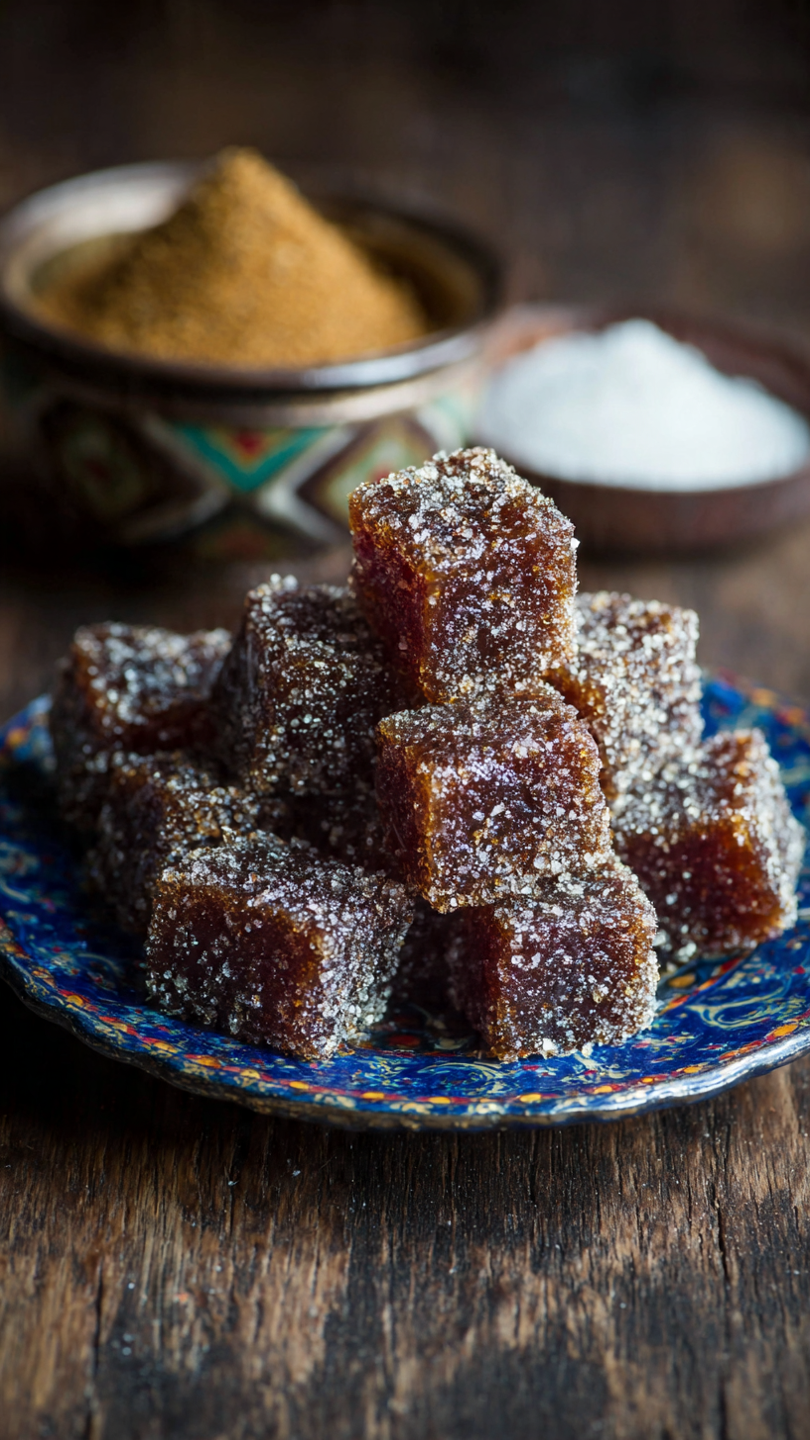
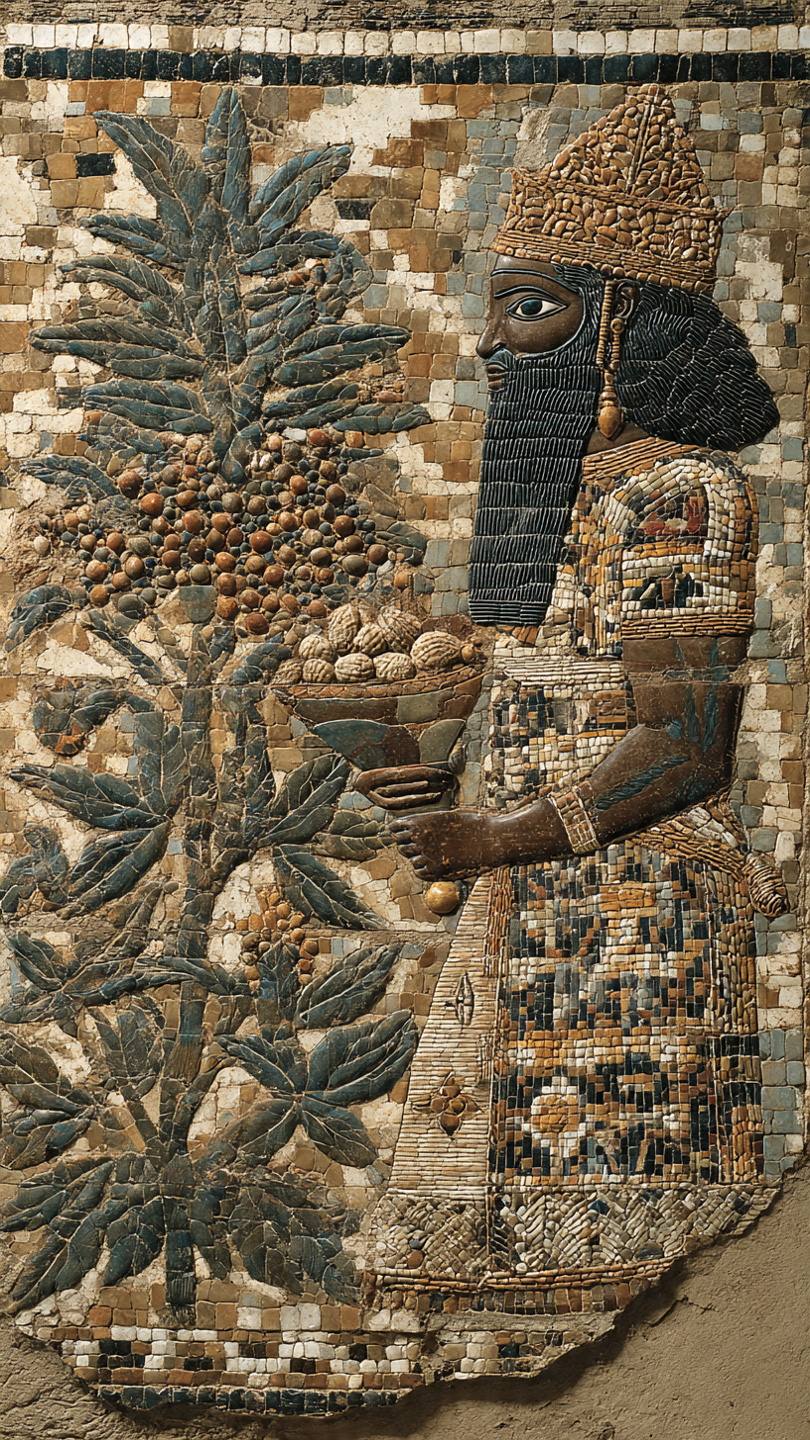
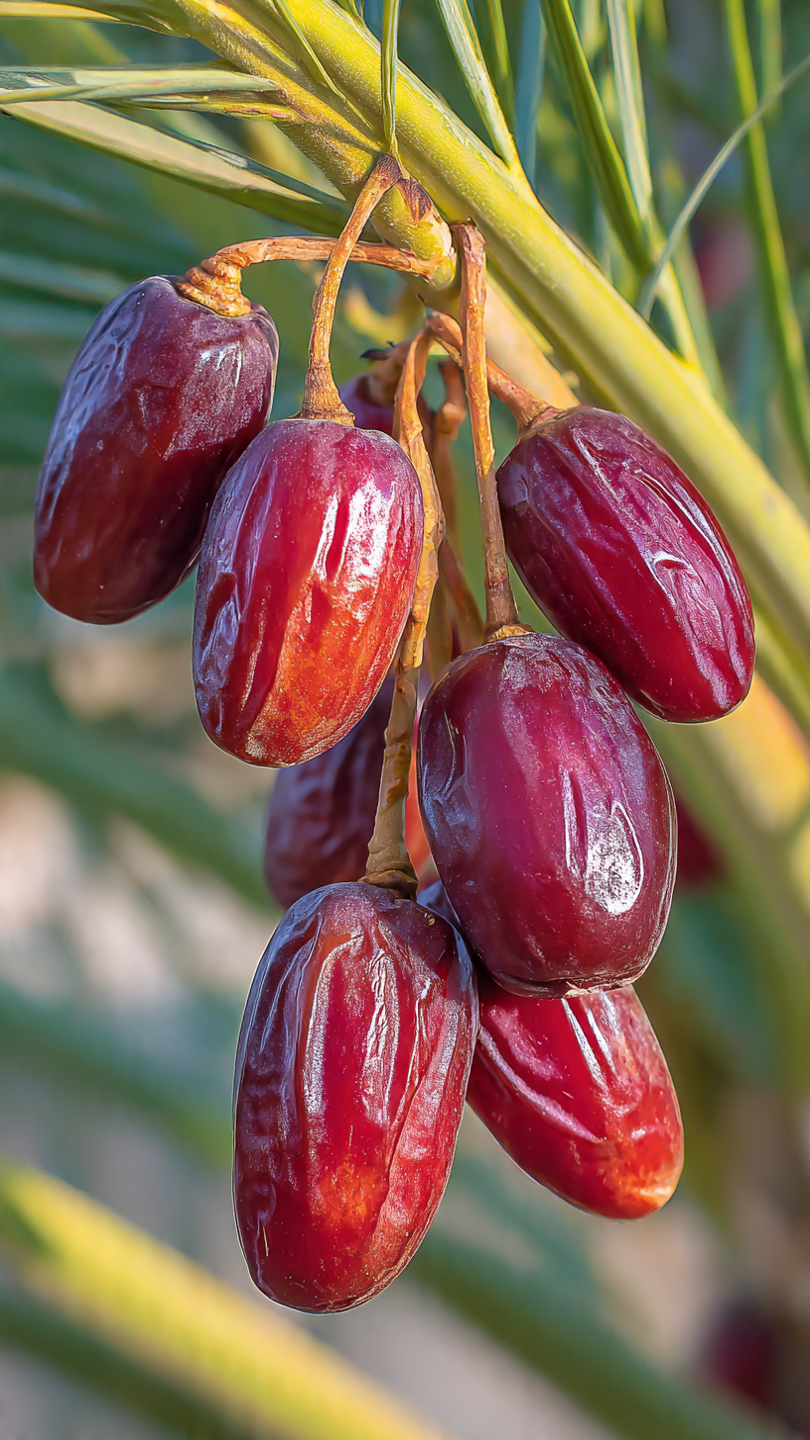
The recipe I'm sharing with you is a traditional date candy from 1600 BC, featuring dates, honey, and nuts.
This recipe was found on an ostraca (pottery shard) dating back to 1600 BC.
Here's a modernized version - 1 cup pitted dates - 1 teaspoon cinnamon - 1/2 teaspoon cardamom seeds - 1/2 cup ground walnuts - Small amount of liquid honey - 1/2 cup finely ground almonds *Instructions:
* 1. Combine dates, cardamom, cinnamon, and walnuts in a food processor. Process at high speed until a paste forms.
2. Take chunks of the paste and shape into walnut-sized balls.
3. Brush the balls with liquid honey.
4.Roll the honey-coated balls in ground almonds to coat.
*Tips and Variations:* - You can adjust the amount of honey to your taste.
- Consider adding other spices, like nutmeg or ginger, for extra flavor. - Serve as a sweet treat or dessert.
This ancient recipe is a testament to the rich culinary history of Mesopotamia. Give it a try and experience the flavors of the past!


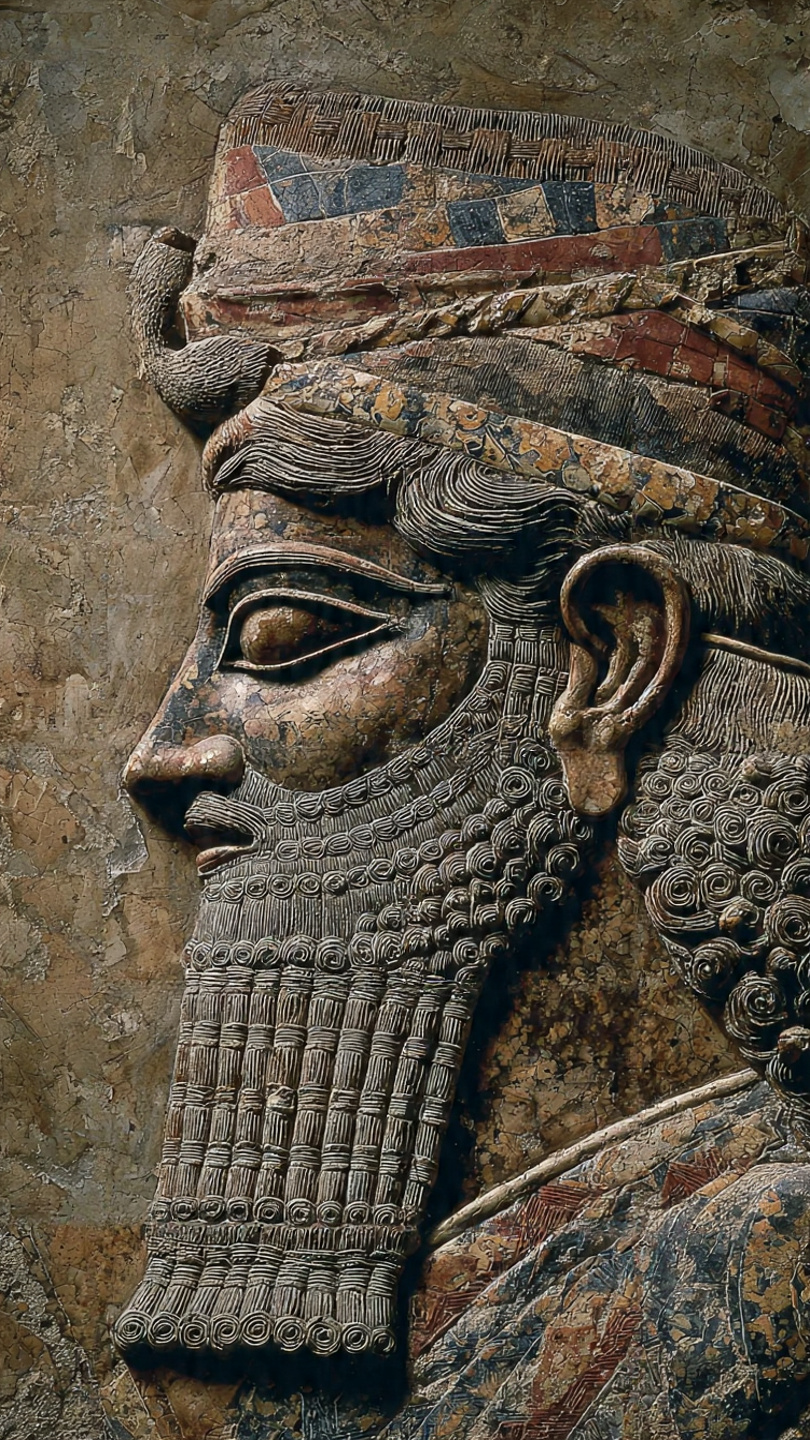
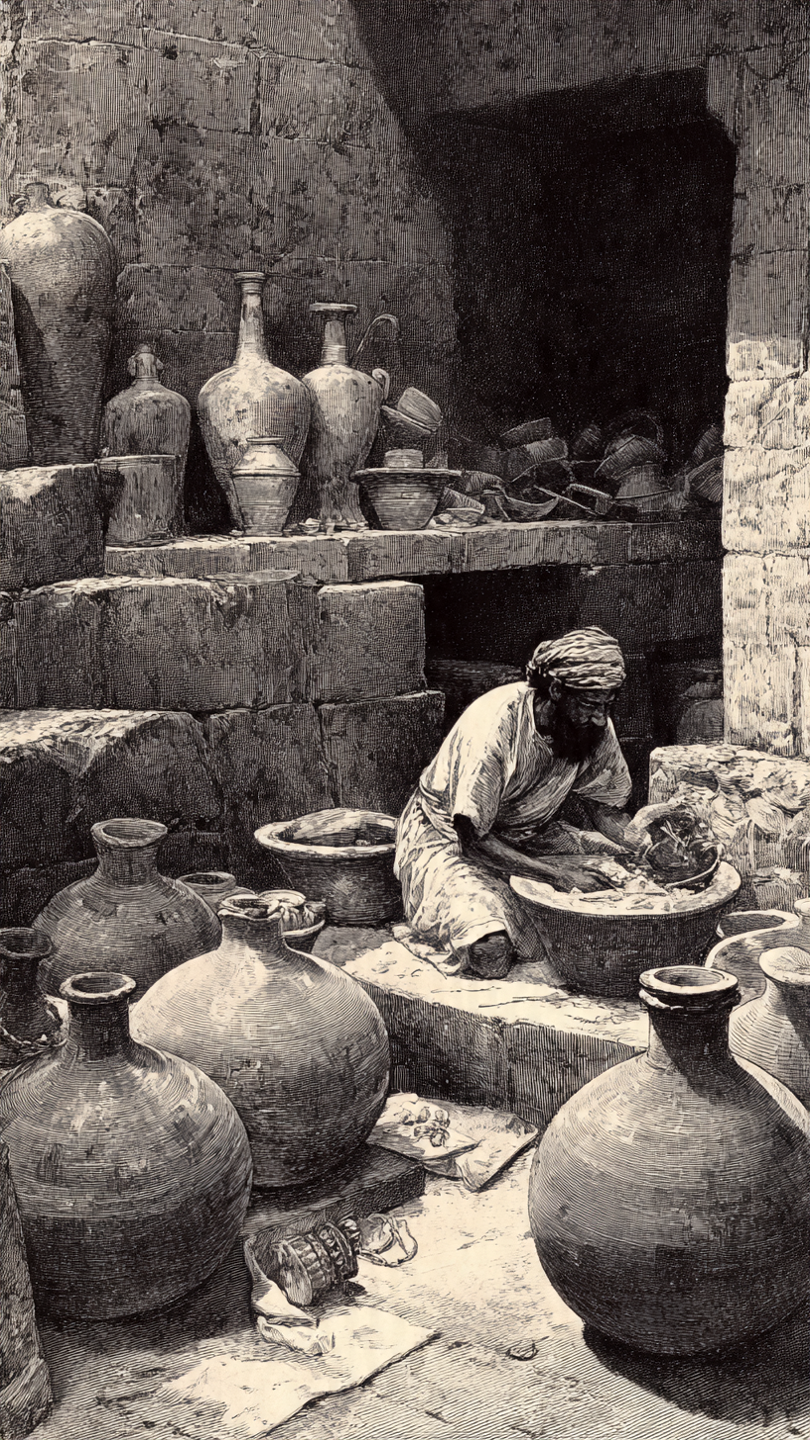
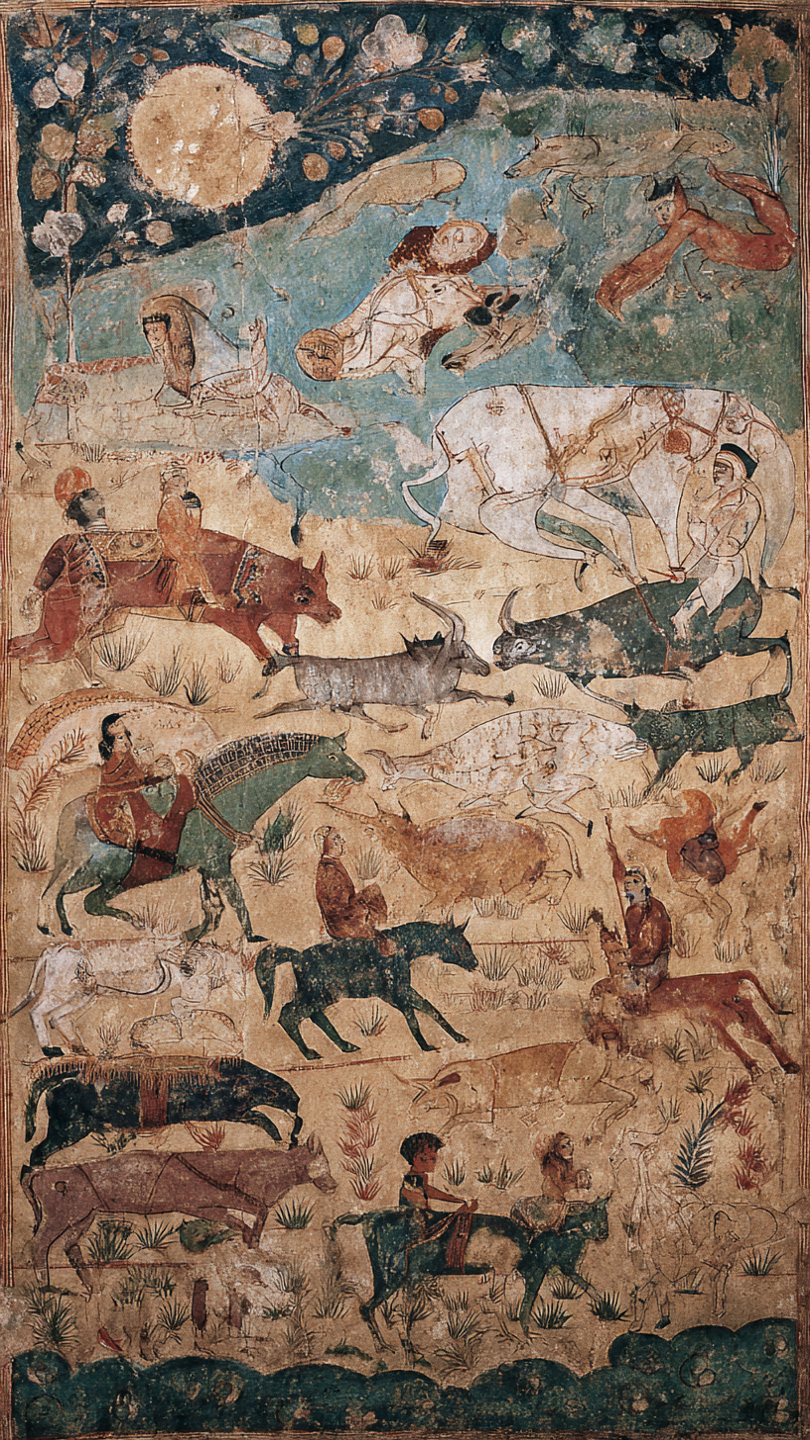
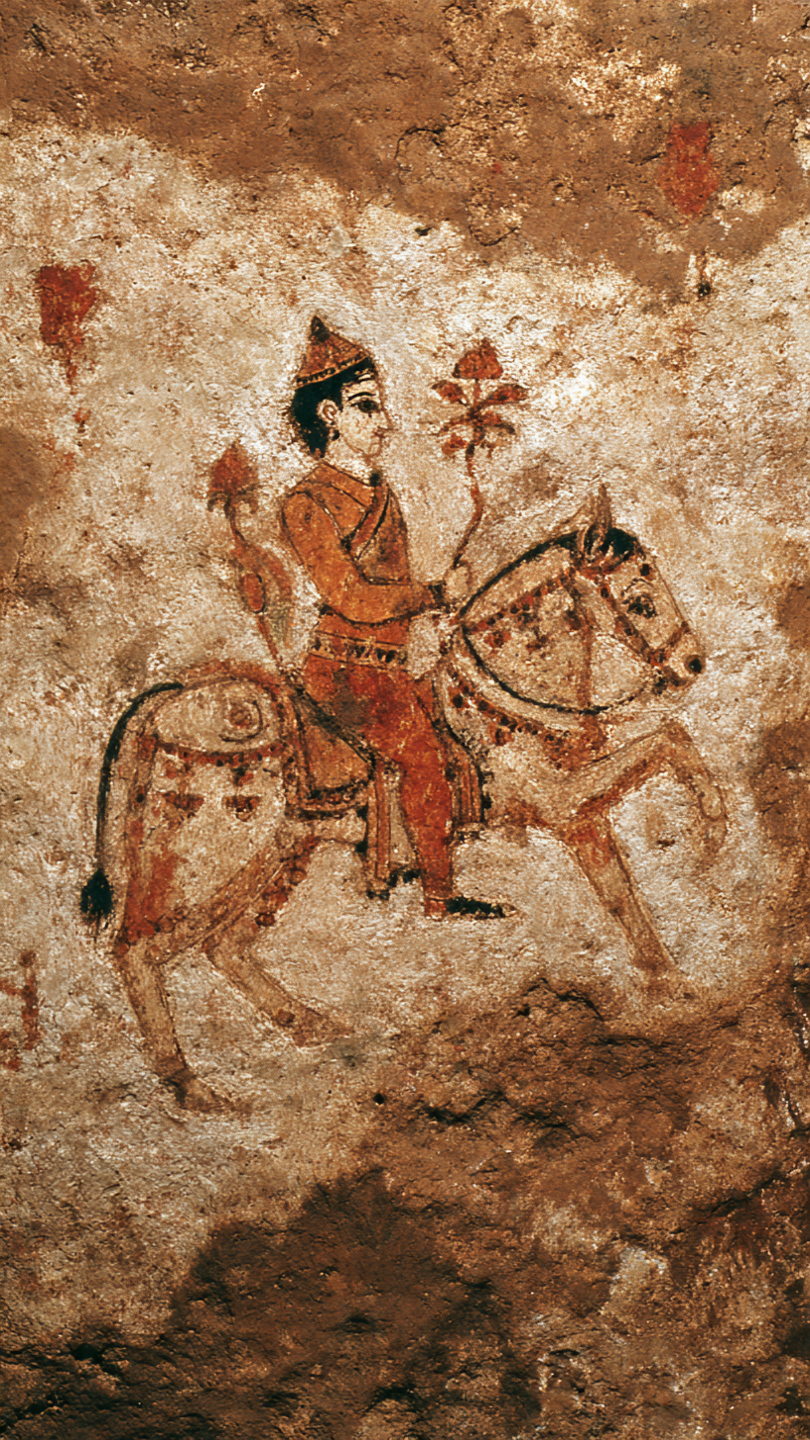
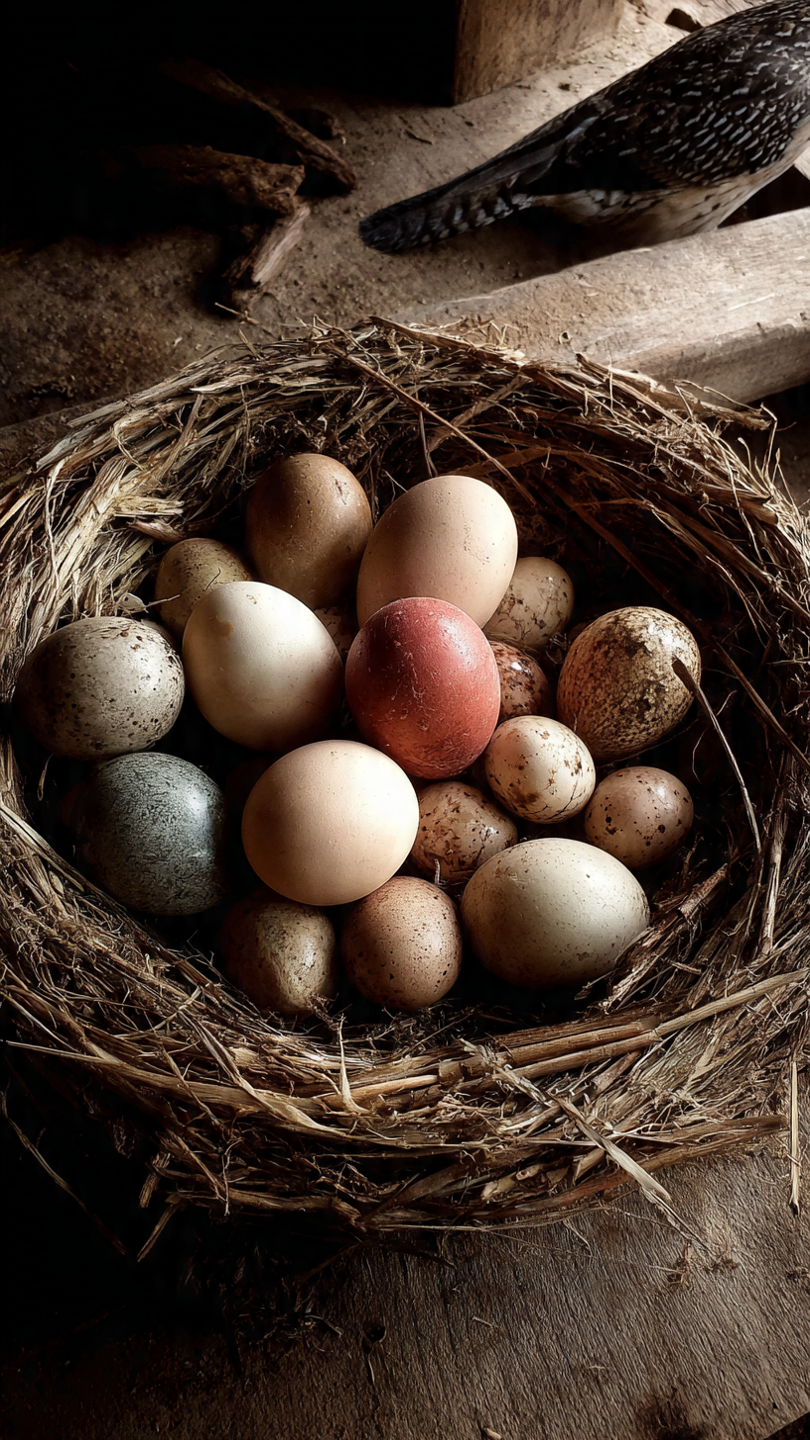
Ostraca were often used for everyday purposes like recording transactions, writing letters, and even jotting down notes.
They're incredibly valuable for historians and archaeologists, offering insights into daily life, culture, and language of ancient societies.
Some fascinating examples include: *The Lachish Letters*: Ostraca found at Lachish, Israel, containing letters written by a commanding officer before the city's capture by the Babylonians.
- *The Samaria Ostraca*: Receipts for oil and wine paid as taxes to the king, found in Samaria, Israel.
Ostraca provide a unique window into the past, preserving texts that would have otherwise been lost. They're a treasure trove of information, shedding light on ancient cultures and societies.
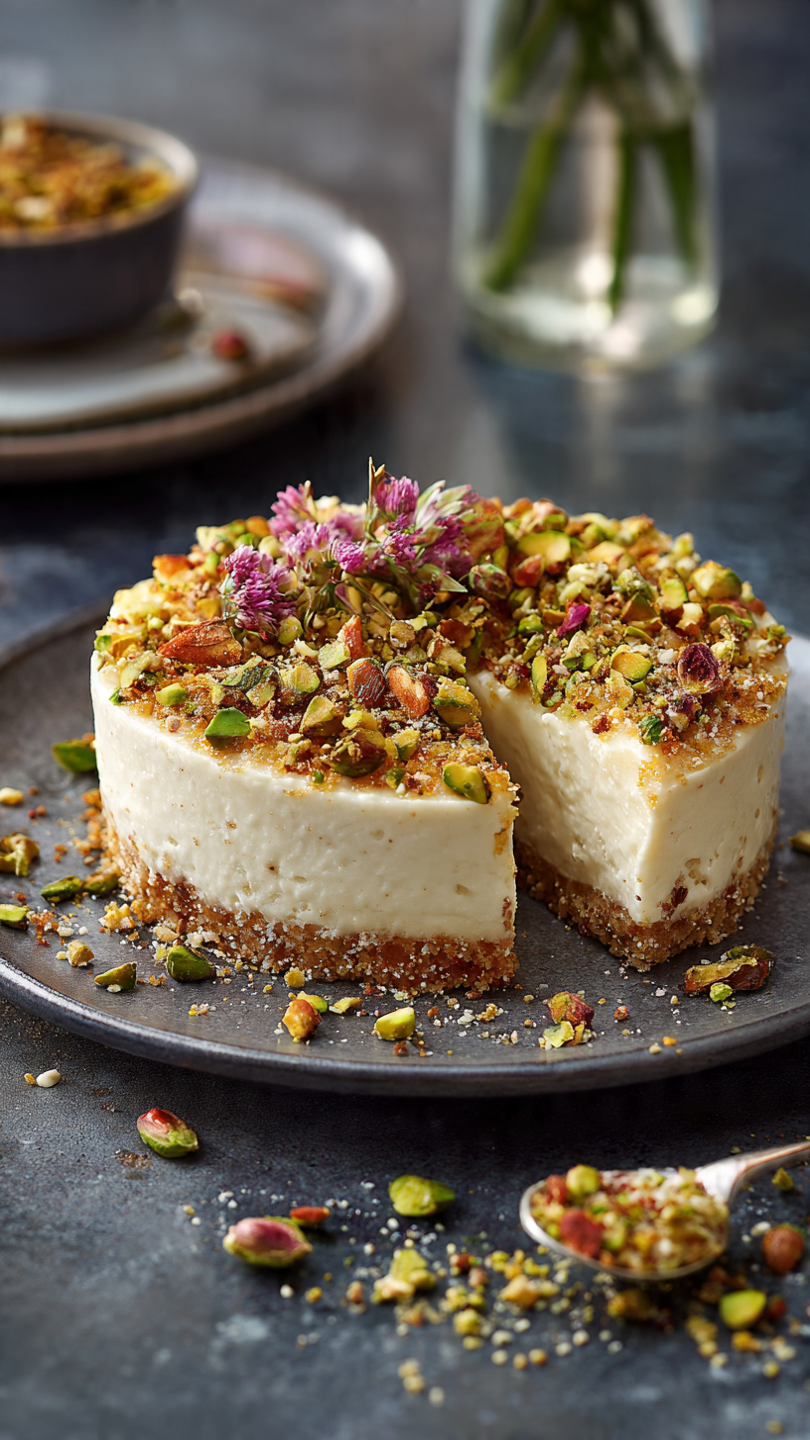
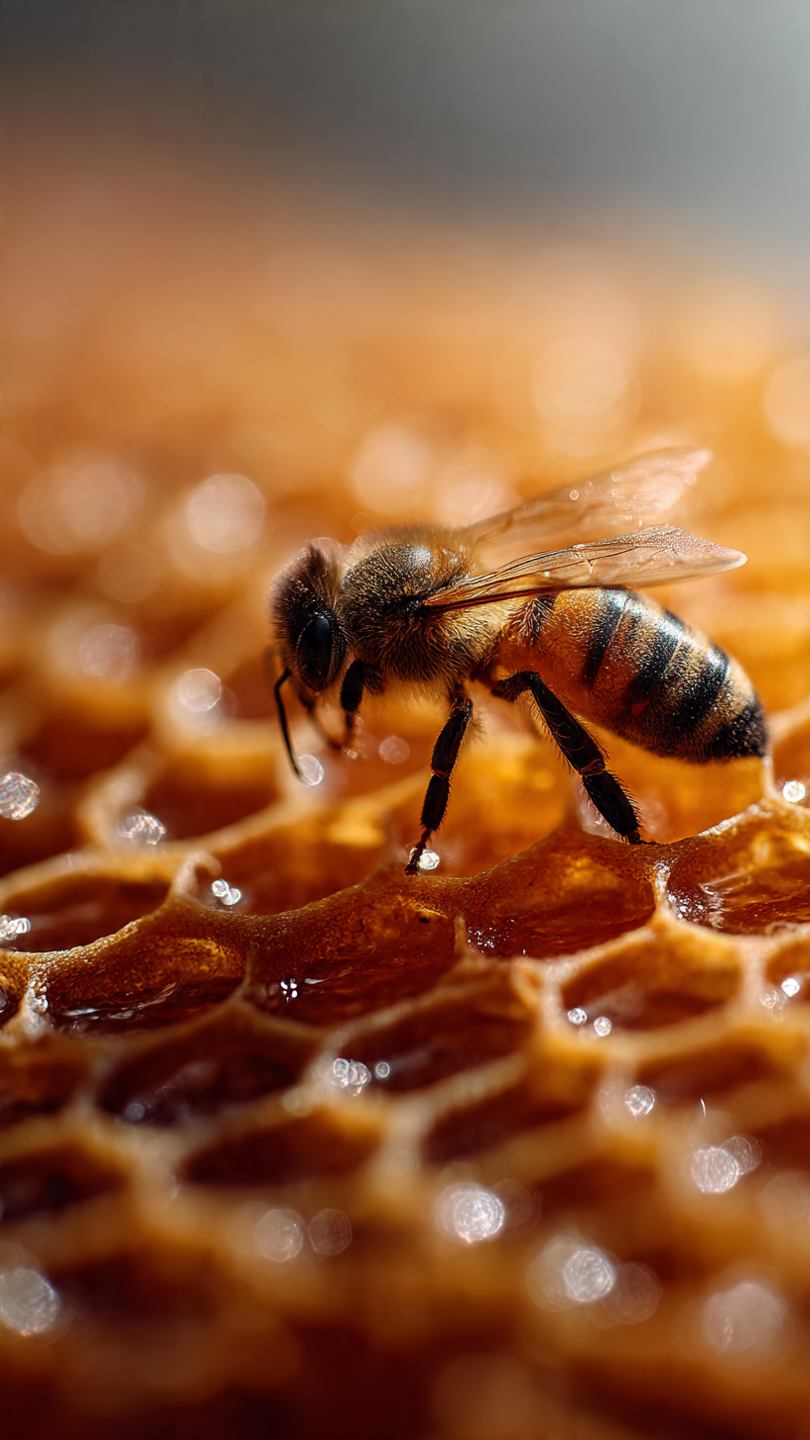
This early version was a viscous mixture of honey, egg whites, spices, seeds, and nuts, and its recipe was documented in cities like Baghdad and Harran. From the Middle East, the recipe spread through trade, eventually reaching Europe where it was later developed into the nougat known today.


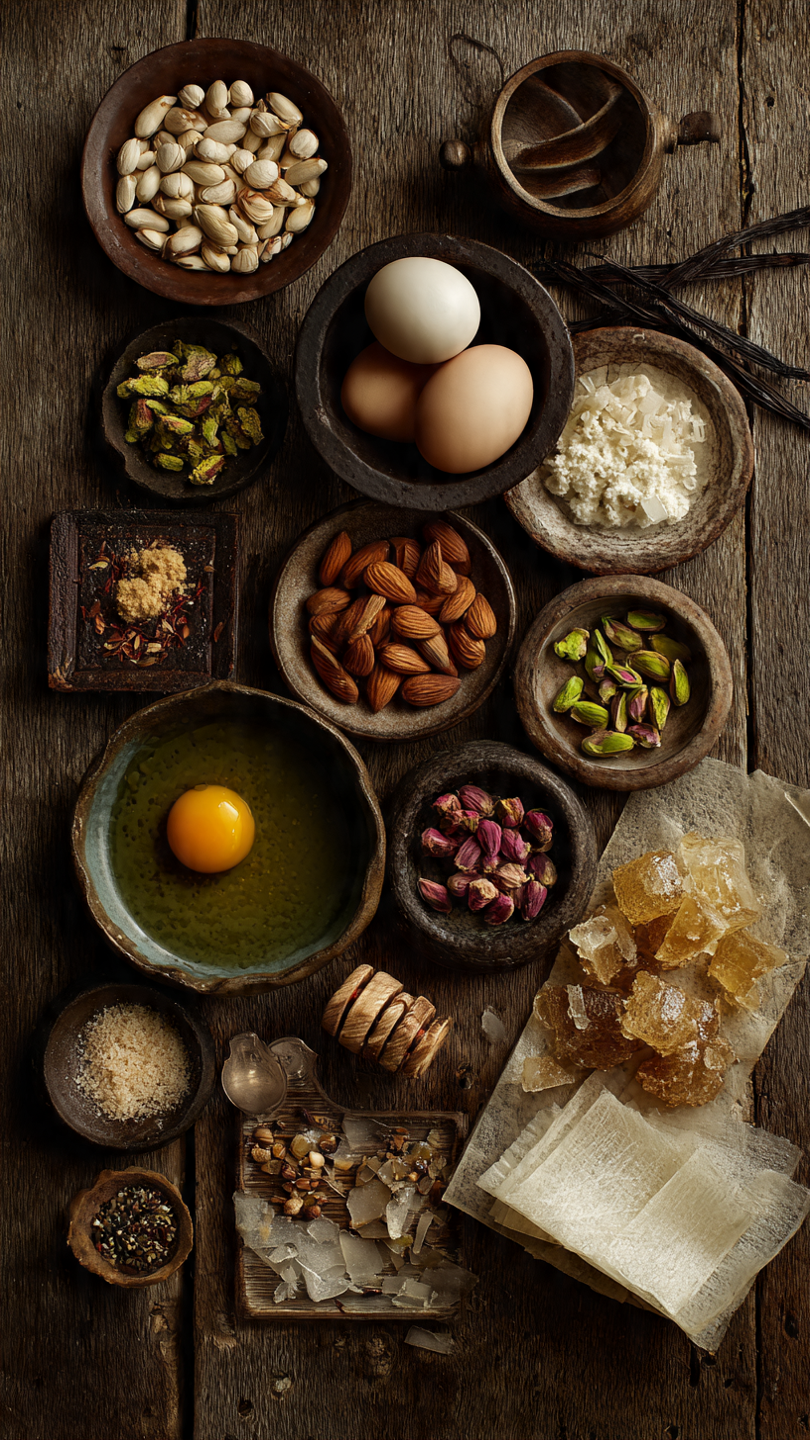
"nāṭif"Nougat Recipe
Ingredients: - 250g honey - 250g granulated sugar - 100g glucose syrup - 100ml water - 2 large egg whites - 1 tsp vanilla extract - 150g chopped pistachios or almonds - Edible rice paper or wafer paper (optional)
Method: 1. Prepare ingredients: Chop nuts and have egg whites at room temperature.
2. Cook sugar mixture: Combine honey, sugar, glucose, and water in a saucepan. Heat to 145°C (hard ball stage), stirring occasionally.
3. Whip egg whites: Beat until stiff peaks form. Gradually add hot sugar mixture, whipping continuously.
4. Add nuts and vanilla: Fold in nuts and vanilla extract.
5. Pour mixture: Spread onto edible rice paper or parchment paper, about 1-2 cm thick.
6. Set: Allow to set at room temperature (1-2 days).
Cut into pieces and wrap in edible rice paper or cellophane.
Enjoy your delicious "nāṭif" !

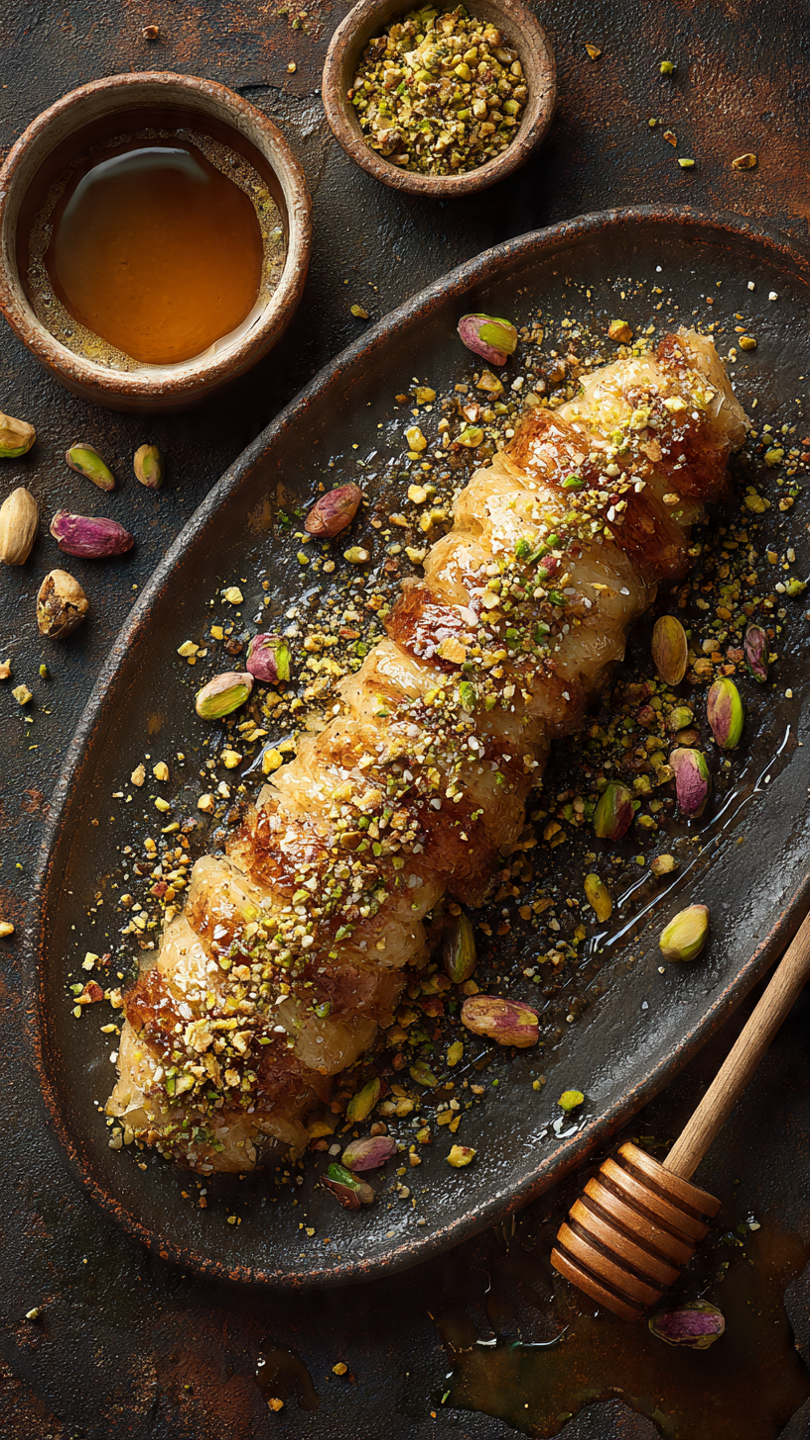
The 10th-century "nāṭif" Origin: The oldest known recipes for a nougat-like confection, called nāṭif, were found in a 10th-century cookbook from Baghdad.
Ingredients: These early versions used ingredients like honey, egg whites, various spices, and nuts, and were made in the regions of Baghdad and Harran.
Production: Making nāṭif was a labor-intensive process that required special utensils like a round copper pot, a wooden spatula, and a rolling pin.
Spread and evolution Trade routes: The recipe was spread from the Middle East through trade, possibly by Phoenicians along the Mediterranean, and reached various parts of Europe.
European development:
The confection was later adapted in Europe. It appeared in Spain and Italy around the 15th century and arrived in France around the 17th century, where it became associated with the region of Provence.
Modern nougat: Over centuries, local variations developed, leading to the many different types of nougat that exist today, with famous versions like Montélimar nougat in France.
Ingredients: - 1 cup (200g) mixed nuts (hazelnuts, almonds, pistachios) - 1 cup (200g) candied fruits (orange, citron, lemon) - 1/2 cup (100g) dark chocolate chips (at least 70% cocoa) - 1/4 cup (60g) honey - 1 tablespoon (15g) unsweetened cocoa powder - 1 teaspoon ground cinnamon - 1/4 teaspoon ground nutmeg - 1/4 teaspoon ground ginger - Pinch of salt Instructions:
1. Preheat oven to 275°F (135°C). Line a 9-inch (23cm) round pan with parchment paper.
2. In a large bowl, combine nuts, candied fruits, and chocolate chips.
3. In a small saucepan, heat honey over low heat until warm and runny.
4. In a separate bowl, mix cocoa powder, cinnamon, nutmeg, ginger, and salt.
5. Pour honey over the nut mixture and stir until well combined. Add spice mixture and mix well.
6. Press mixture into prepared pan.
7. Bake for 25-30 minutes or until edges are lightly golden.
8. Remove from oven and let cool completely.
9. Dust with powdered sugar before serving.
Enjoy your delicious Panforte!
.

2. Various candied fruits: Experiment with different candied fruits like cherries, apricots, or pineapple.
3. Spices: Add a pinch of cayenne pepper or cardamom powder for an extra kick.
4. Orange blossom water: Add a teaspoon of orange blossom water for a fragrant flavor.
5. Espresso powder: Add a teaspoon of espresso powder to intensify the chocolate flavor.
*Tips:* 1. Toast the nuts: Lightly toast the nuts in a 350°F oven for 5-7 minutes to enhance their flavor.
2. Don't overmix: Mix the ingredients just until they come together. Overmixing can make the Panforte dense.
3. Let it age: Panforte is traditionally aged for a few weeks to allow the flavors to meld together. If you can wait, store it in an airtight container for 2-4 weeks before serving.
4. Dust with powdered sugar: Dust the Panforte with powdered sugar before serving to add a nice textural contrast.
5. Slice thinly: Panforte is rich, so slice it thinly and serve in small portions.
*Storage:* 1. Store Panforte in an airtight container at room temperature for up to 2 weeks.
2. Freeze for up to 3 months. Thaw frozen Panforte at room temperature or rewrap and thaw in the fridge.